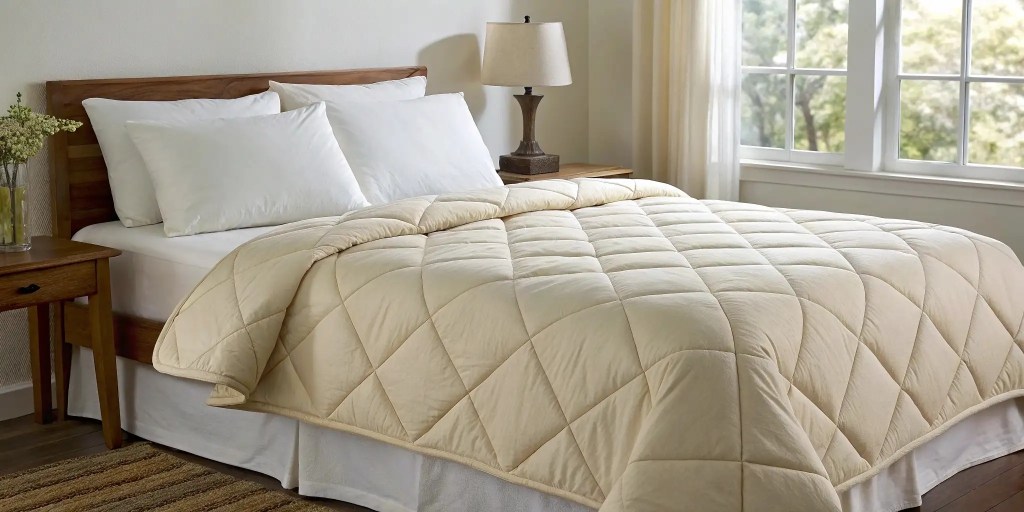
Choosing between natural and synthetic bedding can feel like a maze of trade-offs—comfort, cost, and sustainability all compete for priority. Poor bedding choices lead to restless nights, higher expenses, or environmental guilt.


We’ve tested countless natural vs synthetic bedding options to simplify your decision. This guide compares breathability, durability, and eco-impact, helping you find the perfect fit for your sleep and values.
What Are Natural and Synthetic Bedding Materials?
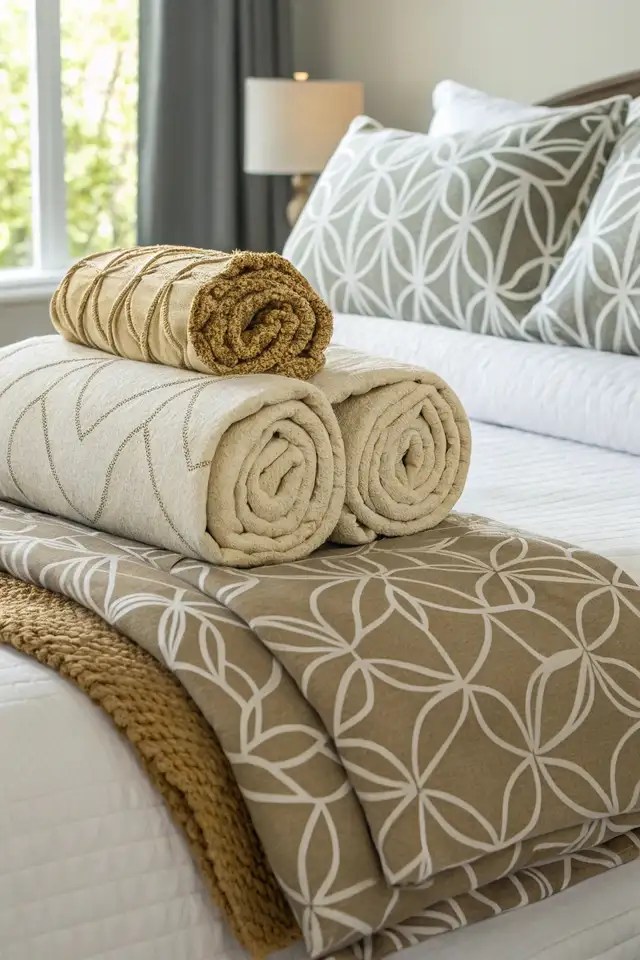

Choosing the right bedding can make or break your sleep game. Natural and synthetic bedding materials each bring unique vibes to the table, from eco-friendly origins to high-tech comfort. Let’s break down what sets them apart so you can pick the perfect fit for your bed.
Natural Fibers: Cotton, Linen, Wool, and Bamboo Characteristics
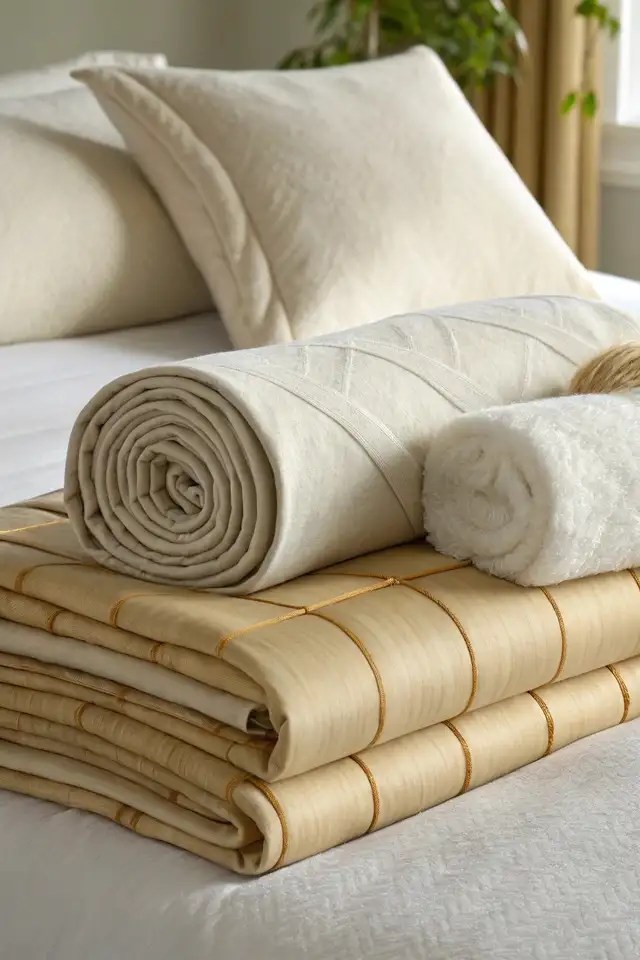
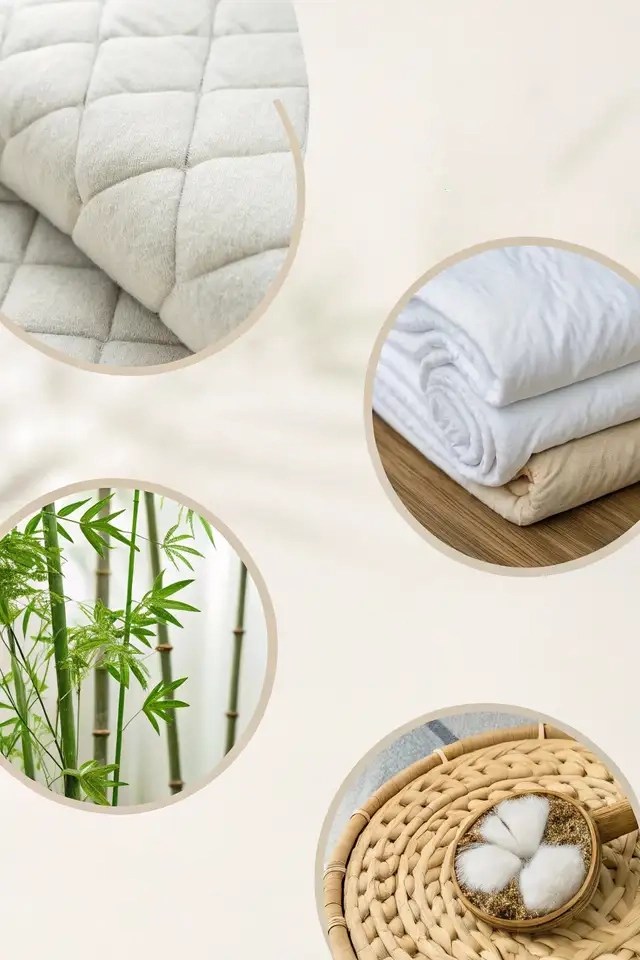
Natural bedding materials come from plants or animals, making them a go-to for eco-conscious folks. Cotton feels soft and breathable, perfect for sweaty sleepers. Linen, made from flax, is durable and gets softer over time, while wool keeps you cozy in winter. Bamboo is super silky and naturally fights bacteria, offering “wicked good” natural bedding benefits like moisture-wicking for a cooler snooze.
Synthetic Fibers: Polyester, Microfiber, and Synthetic Latex Overview
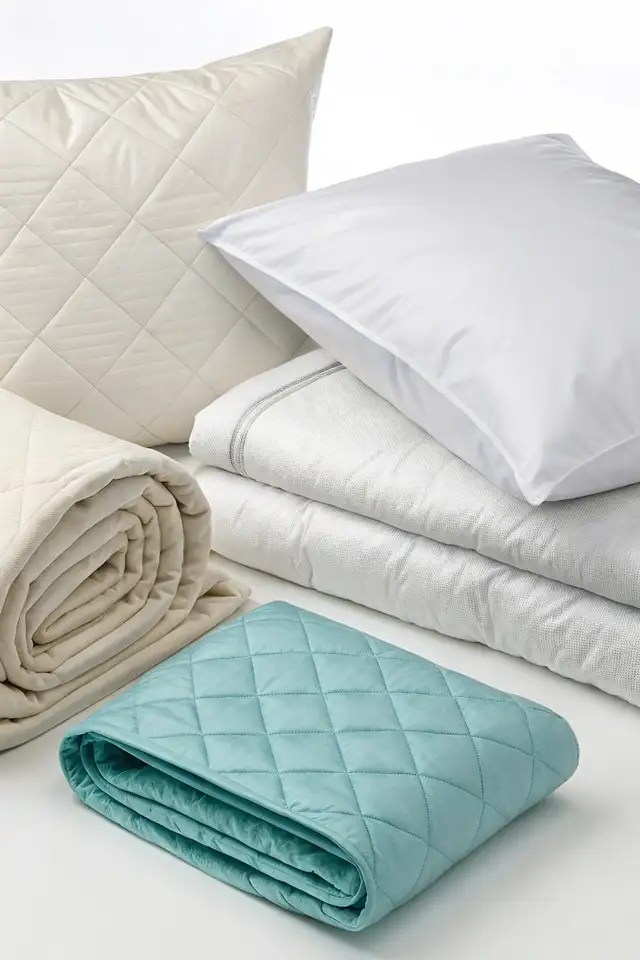
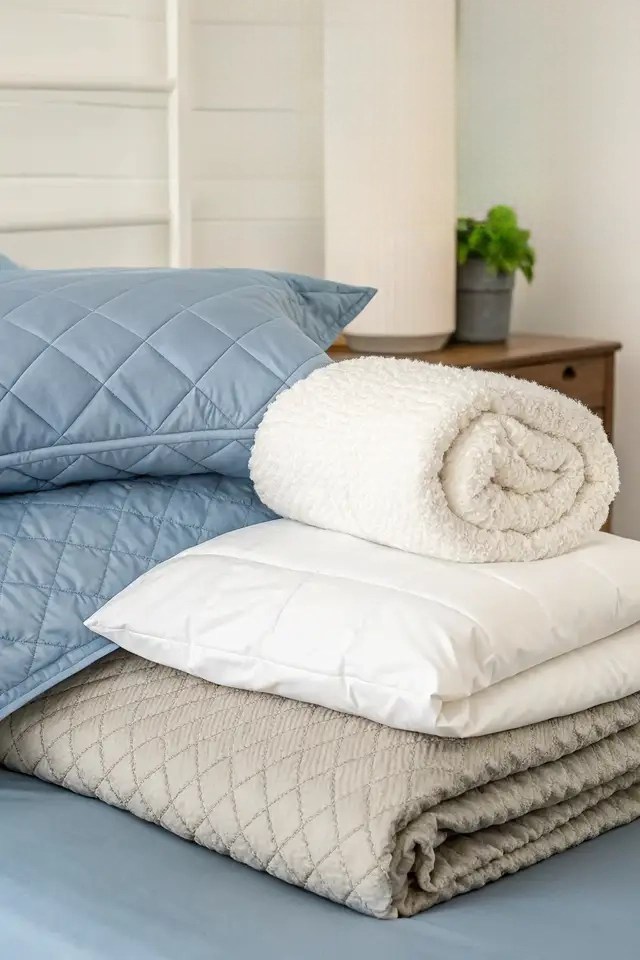
Synthetic bedding materials are lab-made, often from petroleum-based stuff. Polyester is budget-friendly, resists wrinkles, and holds up well, making it a solid pick for durability. Microfiber, a finer polyester, feels buttery soft and traps heat, ideal for chilly nights. Synthetic latex mimics natural latex but costs less, giving synthetic bedding advantages like affordability and easy care.
Material Origins: Sustainable Farming vs. Petroleum-Based Processes
Where bedding comes from matters. Natural materials like cotton or bamboo often rely on sustainable farming, which can be kinder to the planet when done right. Synthetic options, like polyester, stem from petroleum-based processes that use more energy and aren’t biodegradable. Hybrid options are trending, blending natural and synthetic materials to balance eco-friendliness with performance.
Comparing Comfort, Durability, and Care
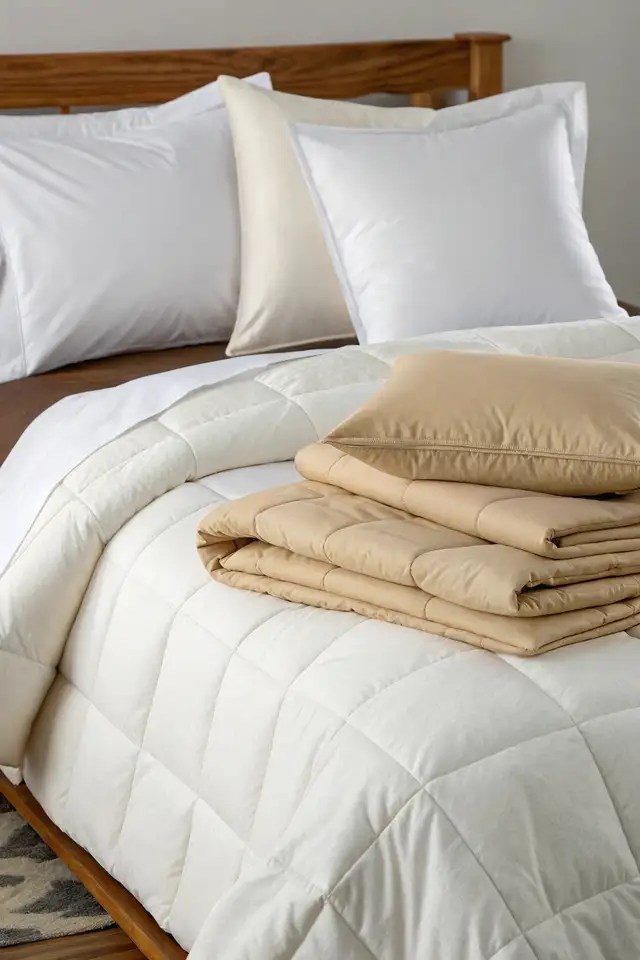
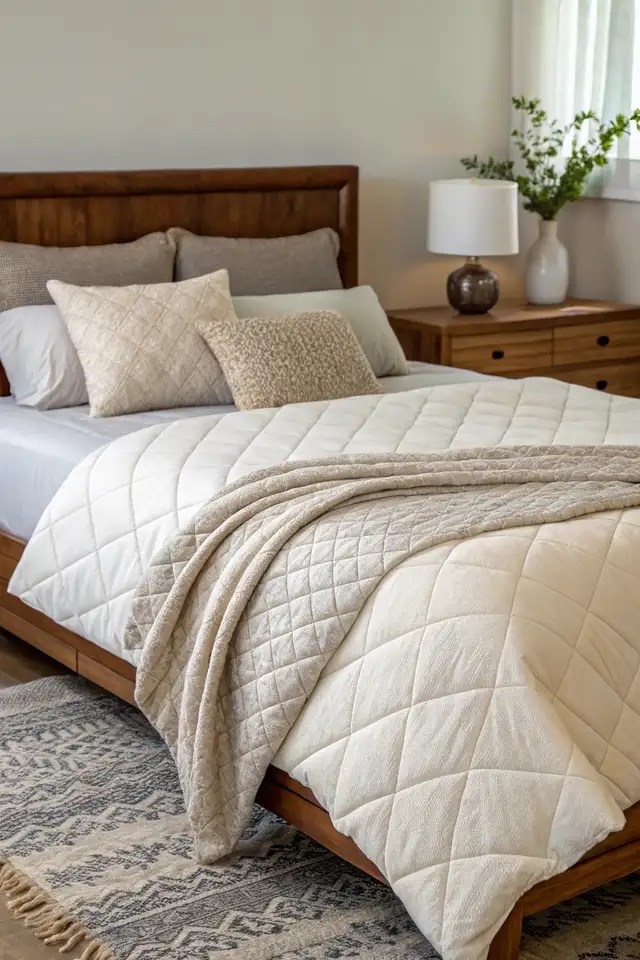
When picking bedding, comfort, durability, and care are the big players. Natural vs synthetic bedding each has its strengths, so let’s dive into how they stack up. This breakdown will help you find the best fit for your sleep style and lifestyle.
Comfort and Breathability: Natural Fibers for Hot Sleepers vs. Synthetic Heat Retention

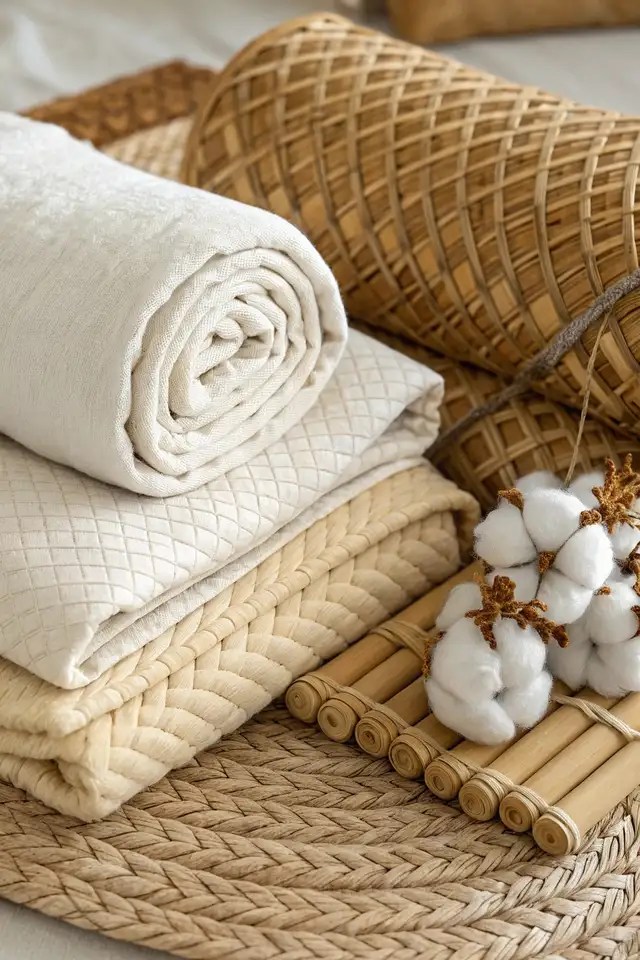
Natural fibers like cotton and linen are champs for breathability, keeping hot sleepers cool and comfy. Bamboo wicks moisture away, adding to the comfort of bedding materials. Synthetics like polyester and microfiber trap heat, which is great for cold nights but can feel stuffy for sweaty folks.
Durability and Longevity: Natural Bedding’s Long-Term Value vs. Synthetic Wear Resistance
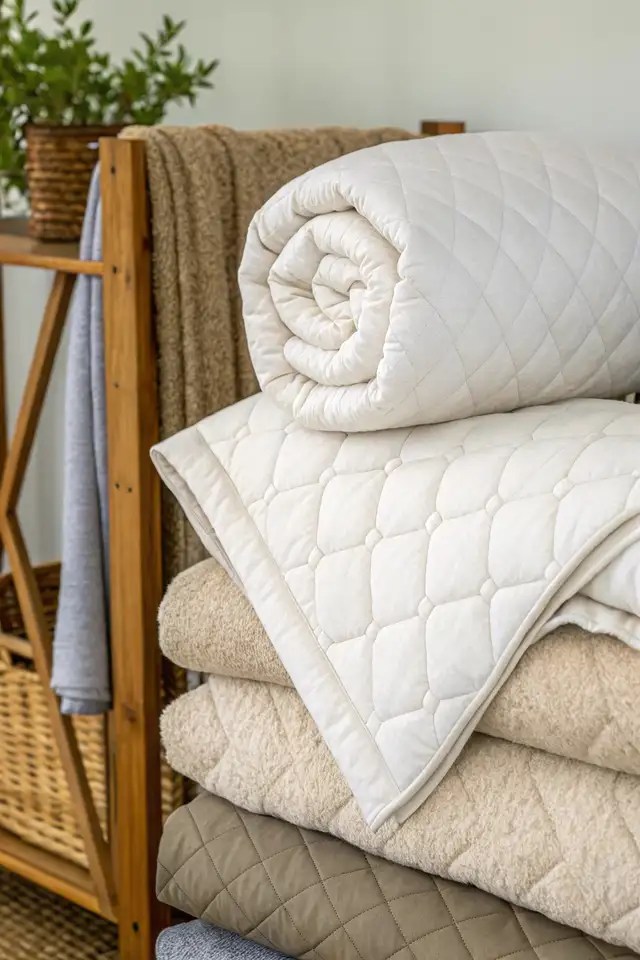
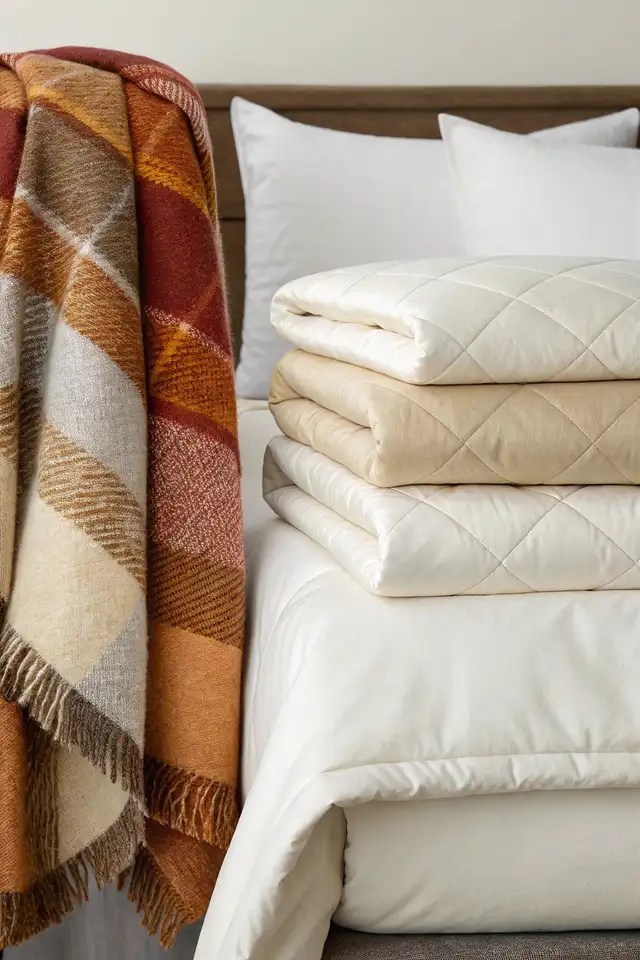
Natural bedding, like wool or high-quality cotton, often lasts longer with proper care, offering solid long-term value. Synthetics, like polyester, resist wear and tear, making them a go-to for busy households. Hybrid bedding options, blending both, are trending for balancing durability with eco-friendly vibes.
Allergy Considerations: Synthetic’s Hypoallergenic Edge
Synthetics often have a hypoallergenic edge, resisting dust mites and allergens, which is a win for sensitive sleepers. Natural fibers like cotton can be treated for allergies but may still trap irritants. What are the pros and cons of synthetic bedding? They’re low-maintenance and allergy-friendly but might lack the breathability of natural options.
Natural vs synthetic bedding comes down to your priorities. Natural materials shine for breathability and eco-friendliness, while synthetics offer durability and easy care. Hybrid bedding options are gaining popularity, mixing the best of both for balanced comfort and maintenance.
Environmental Impact and Sustainability


Bedding choices affect more than just your sleep—they impact the planet too. Exploring the environmental side of natural vs synthetic bedding helps eco-conscious buyers make smart picks. Let’s dig into the green perks and trade-offs of each type.
Natural Bedding’s Eco-Friendly Advantage: Organic Cotton and Bamboo
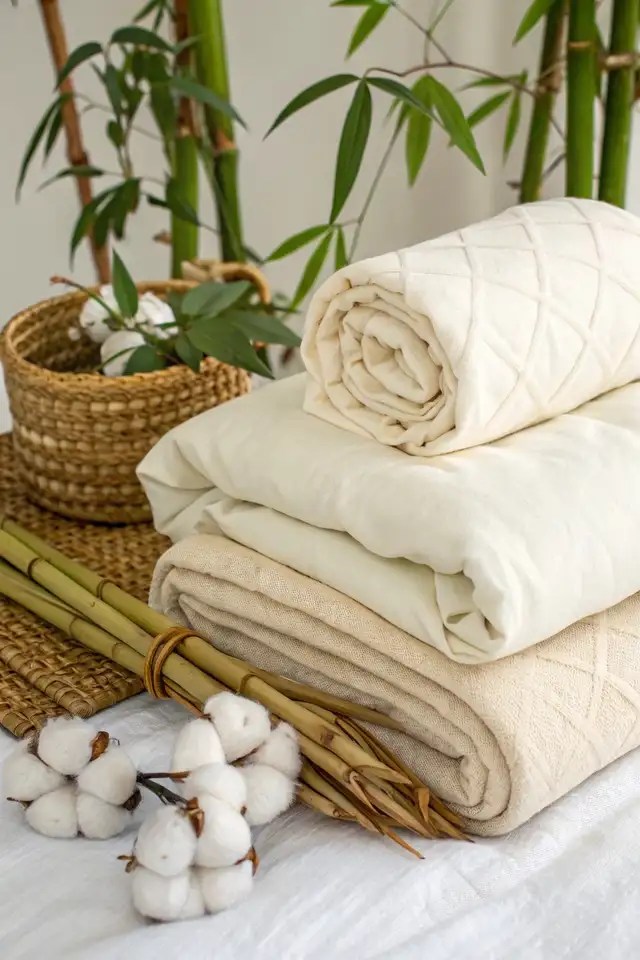

Natural bedding benefits shine with materials like organic cotton and bamboo. Organic cotton skips harmful pesticides, supporting healthier soil and water systems. Bamboo grows fast and needs little water, making it a sustainability star in bedding when processed eco-friendly.
Create a similar look


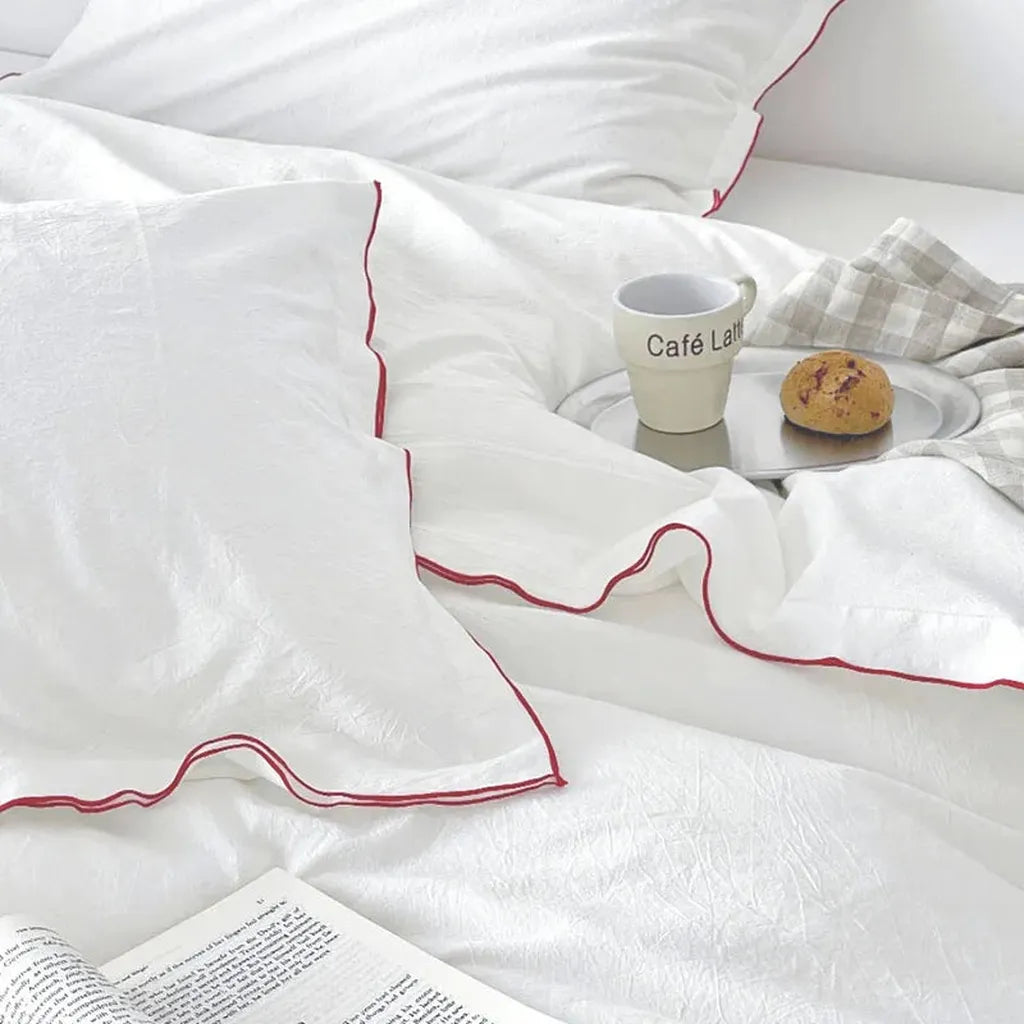

Synthetic Bedding’s Environmental Cost: Petroleum and Chemical Processes
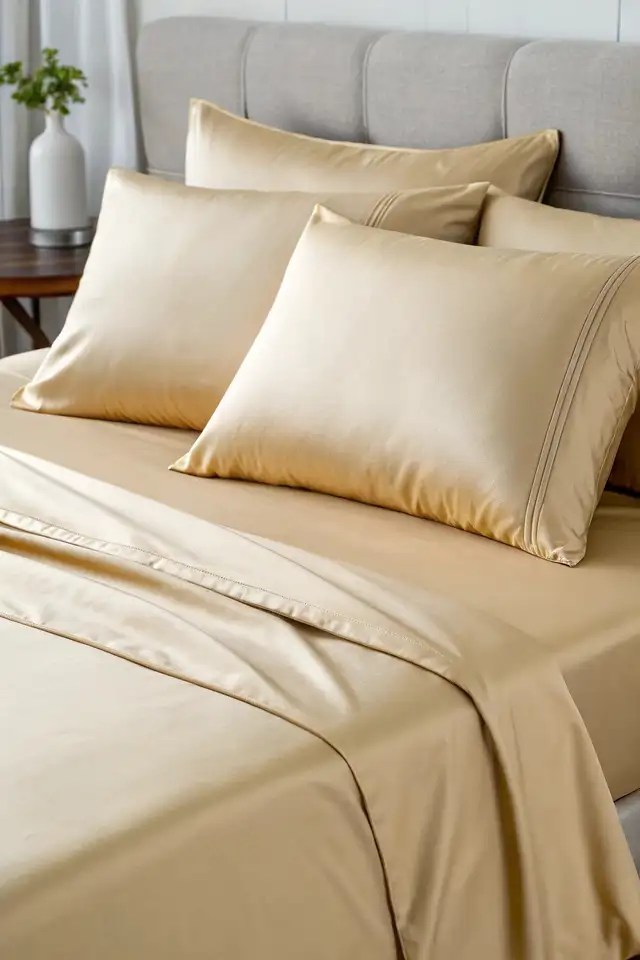
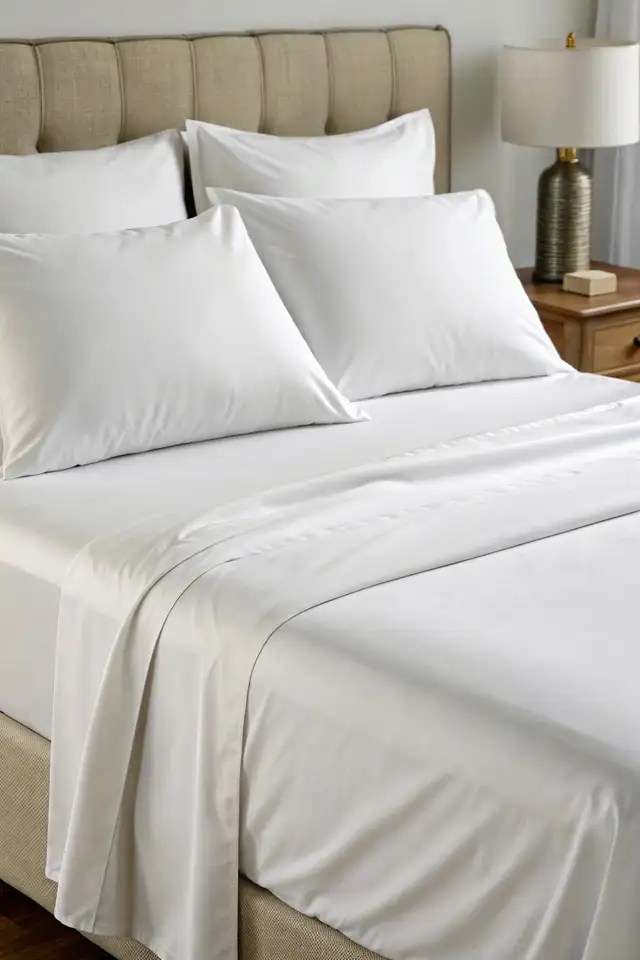
Synthetic bedding, like polyester, comes from petroleum, a non-renewable resource. Its production pumps out greenhouse gases and uses chemicals that can linger in the environment. While durable, synthetics aren’t biodegradable, piling up in landfills over time.
Hybrid Options: Balancing Sustainability and Performance
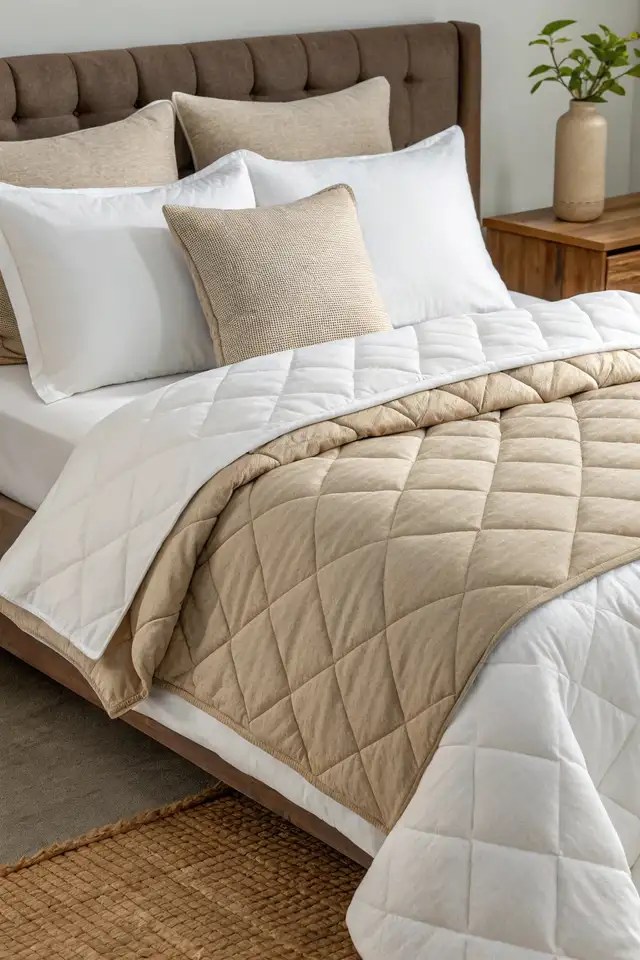
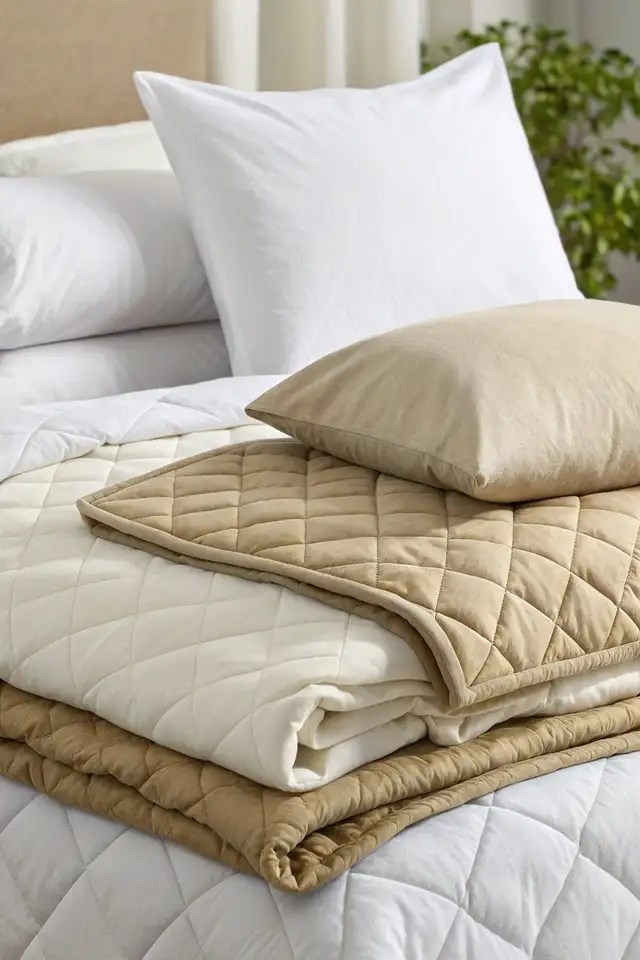
Hybrid bedding options are trending, blending natural and synthetic materials for the best of both worlds. Think cotton mixed with polyester for softness and strength. These hybrids cut down on environmental impact while keeping the durability eco-buyers want.
Certifications to Look For: GOTS, OEKO-TEX, and Fair Trade
Certifications help you spot sustainable bedding. GOTS ensures organic materials and ethical production, while OEKO-TEX confirms no harmful chemicals. Fair Trade supports workers’ rights, adding a social good vibe to your purchase.
How to choose between natural and synthetic bedding? Natural options like organic cotton lean greener, but hybrids offer a practical middle ground. Some brands craft bedding bundles with sustainable materials, blending eco-friendly fibers for style and planet-friendly appeal.
“Natural bedding like organic cotton cuts environmental harm, while hybrids balance eco-goals with durability, making sustainability in bedding easier to achieve.”
Eco-conscious buyers have solid options. Natural bedding reduces chemical use and waste, while synthetics pose challenges with petroleum reliance. Hybrids and certifications like GOTS make it easier to sleep green without sacrificing performance. Look for sustainable bedding bundles to align with your “earth-loving” values.
Making the Right Choice for Your Needs

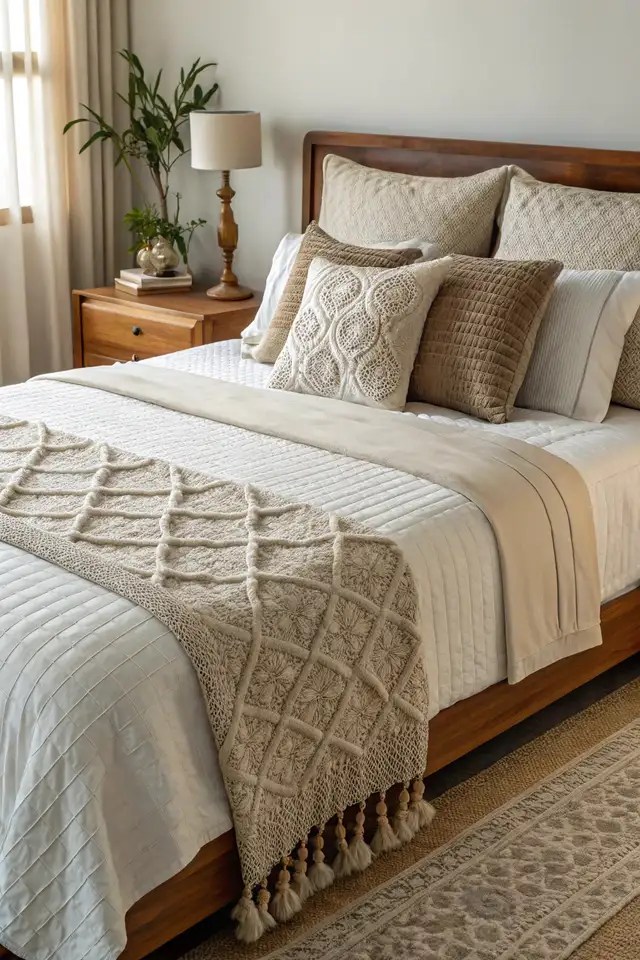
Picking the perfect bedding boils down to balancing budget, sleep preferences, and values. Natural vs synthetic bedding offers distinct perks, and hybrid options are shaking things up. Let’s walk through a simple framework to find your ideal match.
Budget Considerations: Upfront Costs vs. Long-Term Value
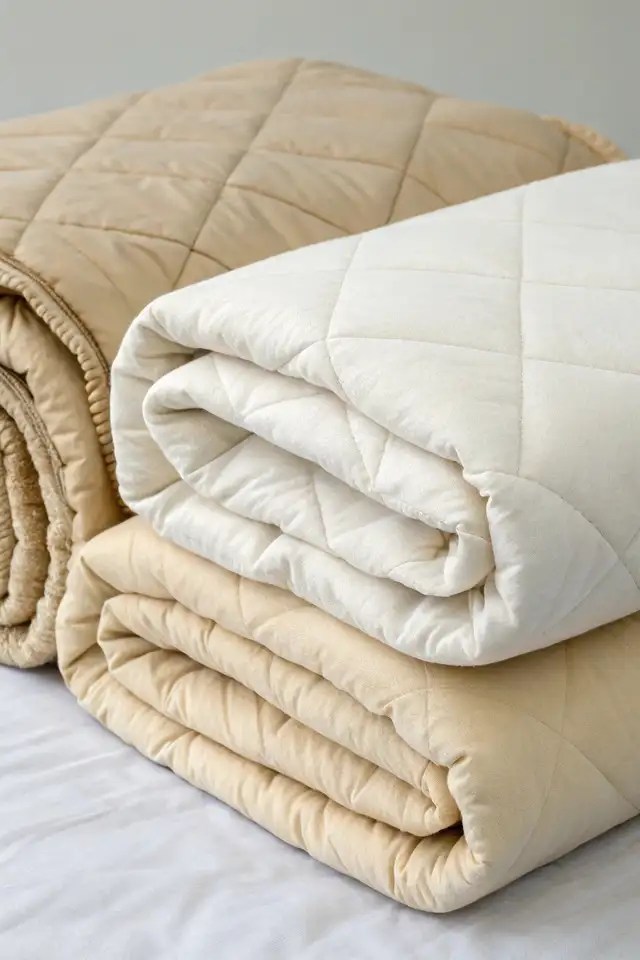

Synthetic bedding, like polyester, often has lower upfront costs, making it a wallet-friendly choice. Natural options, such as organic cotton or wool, may cost more initially but deliver long-term value with durability. Weighing cost against lifespan helps you decide what’s worth the splurge.
Sleep Preferences: Hot Sleepers, Allergy Sufferers, and Comfort Seekers
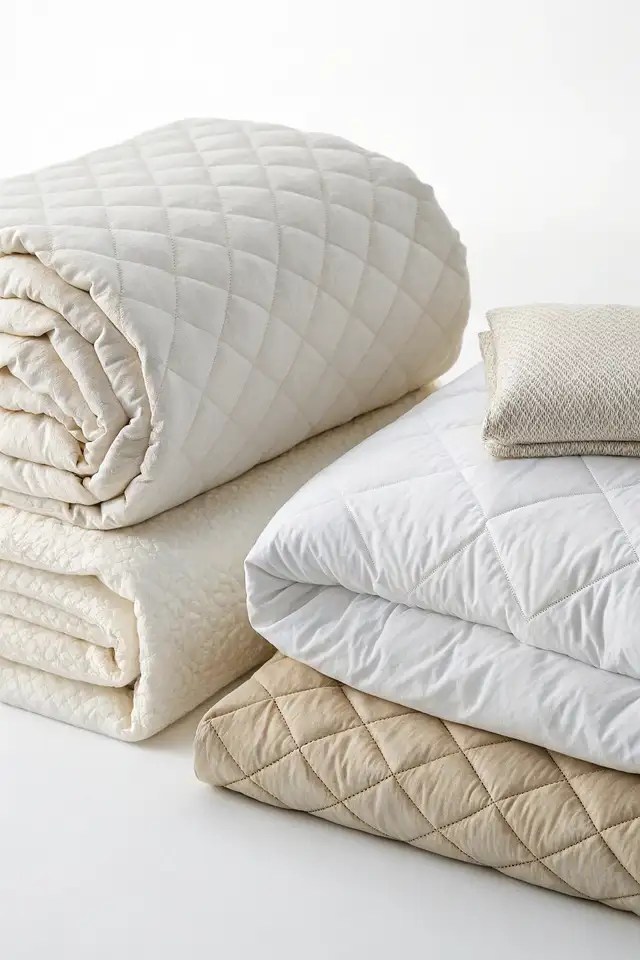
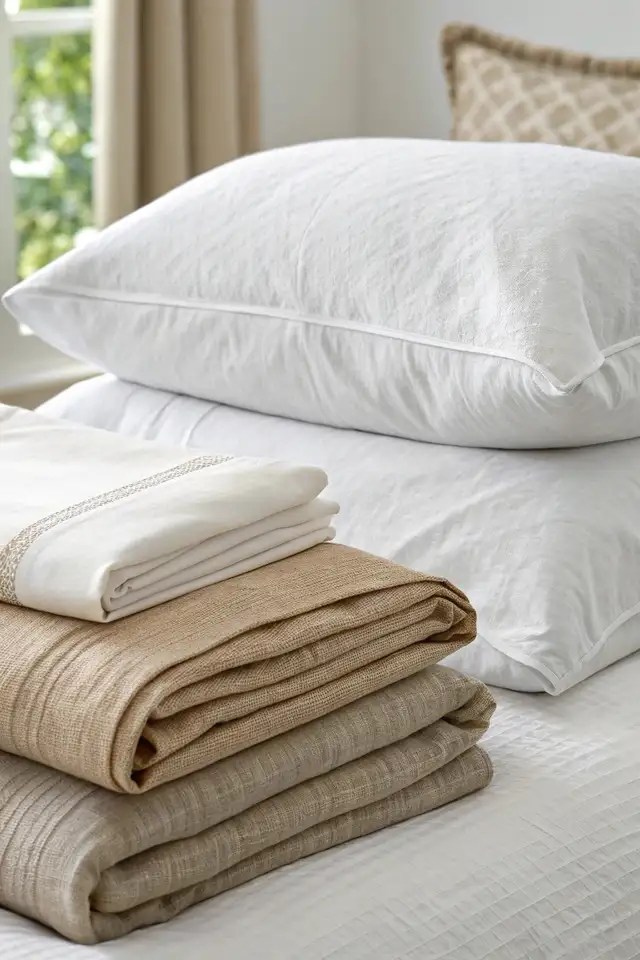
Hot sleepers thrive with natural fibers like linen or bamboo, which keep things cool and breathable. Allergy sufferers might lean toward synthetics, as they resist dust mites and are often hypoallergenic. Comfort seekers can explore hybrid bedding options for a mix of softness and support tailored to their vibe.
Hybrid Bedding Trends: Combining Natural and Synthetic Benefits
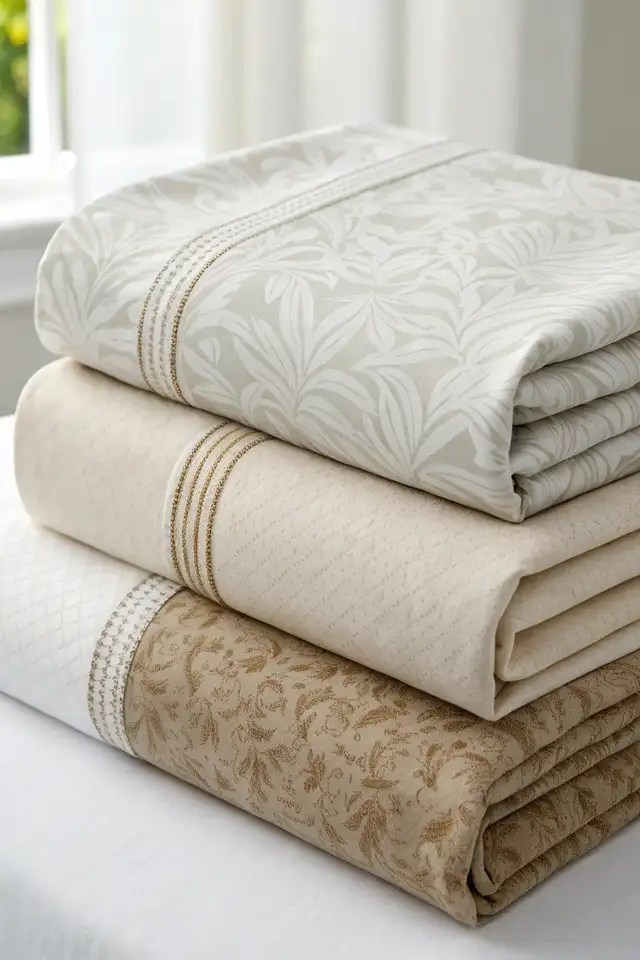
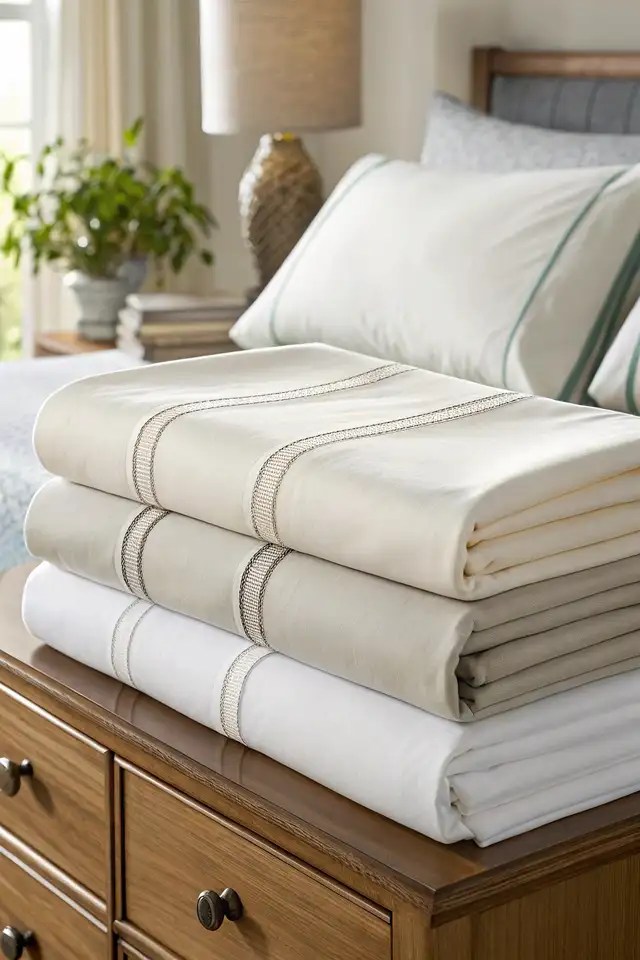
Hybrid bedding options are the “hot new thing”, blending natural and synthetic materials for the best of both worlds. Think cotton-polyester sheets that combine breathability with wrinkle resistance. These versatile sets appeal to folks wanting comfort, durability, and eco-friendly perks without compromise.
Practical Tips: Testing Bedding and Reading Labels
Test bedding before buying—feel the fabric and check return policies. Read labels for certifications like GOTS or OEKO-TEX to ensure quality and sustainability. Proper bedding maintenance, like following care instructions, keeps your investment fresh and cozy for years.
How to choose between natural and synthetic bedding? It’s about what fits your life. Natural vs synthetic bedding each has strengths, but hybrids offer a sweet spot for budget, comfort, and green values. Bedding bundles with hybrid sets can simplify your choice, blending style and function.
“Natural bedding suits hot sleepers and eco-fans, while synthetics work for allergy sufferers, but hybrids blend benefits for versatile comfort and value.”
Your bedding choice hinges on personal needs. Budget shoppers might pick synthetics, while eco-conscious folks lean natural. Hybrid bedding trends make it easier to score comfort and sustainability without breaking the bank. Check out bedding bundles for curated options that hit all the right notes.


Picking the right bedding feels personal because it shapes your sleep and reflects your values. After diving into natural vs synthetic options, I believe hybrids offer the “sweet spot”—blending comfort, durability, and eco-friendly vibes. Whether you prioritize breathability, budget, or sustainability, there’s a perfect match out there.
My advice? Test fabrics, check certifications like GOTS, and consider bedding bundles for curated sets that balance style and function. Your bed should be a haven, so choose what feels right for you and sleep easy knowing you’ve made a smart, value-driven choice.
 Vansilk Textile